
Padel Rules
Padel is the easiest racket sport to start and the hardest to put down. The scoring is borrowed from tennis, but two things make padel its own game: you serve underarm, and the glass walls are part of play. Here's everything you need to walk onto a court and play your first point.
Padel is played 2 v 2 on an enclosed court about a third smaller than a tennis court.
The court
A padel court is 20 metres long and 10 metres wide, enclosed by glass walls and metal mesh. The walls aren't just a boundary — the ball stays in play off them. Tap any zone to see what it does.
Tap a zone to read the rule
How to serve
The serve is the one shot that's completely different from tennis — and it's the easiest to learn.
- 1
Underarm, below the waist
You must strike the serve below waist height. No overhead serves, ever — this is the biggest rule difference from tennis.
- 2
Bounce it first
Drop the ball, let it bounce once on the floor behind your service line, then hit it.
- 3
Serve diagonally
The serve goes cross-court into the service box diagonally opposite you, just like tennis.
- 4
Two attempts
You get a first and a second serve. After it lands in the box the ball may touch the side glass and stay in — but if it hits the metal fence, it's a fault.
- 5
Let it bounce
The receiver must let the serve bounce before returning it. You can't volley a serve.
Anatomy of a point
Follow the ball through a single point — and the one rule that defines padel.
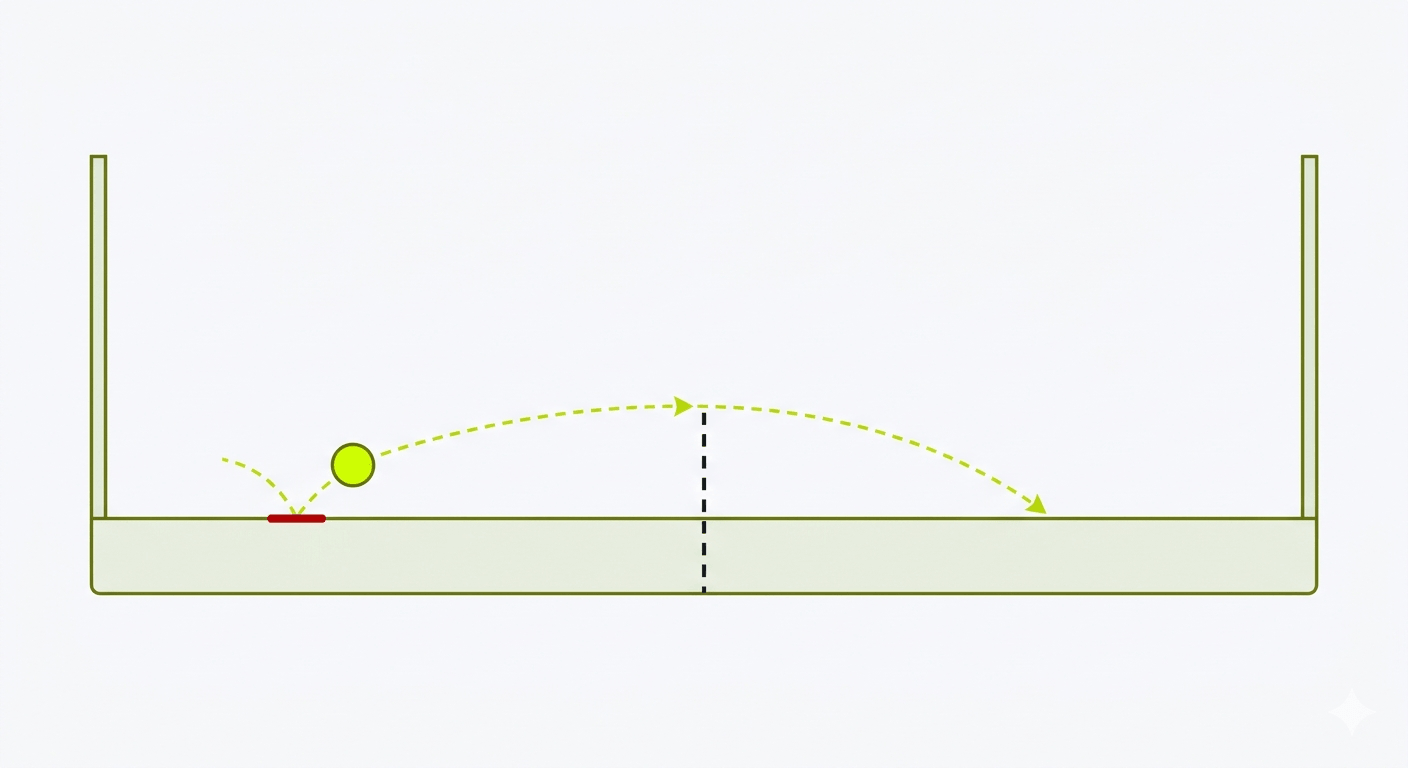 1
1The serve
It bounces behind the line, then is struck underarm into the box diagonally across the net.
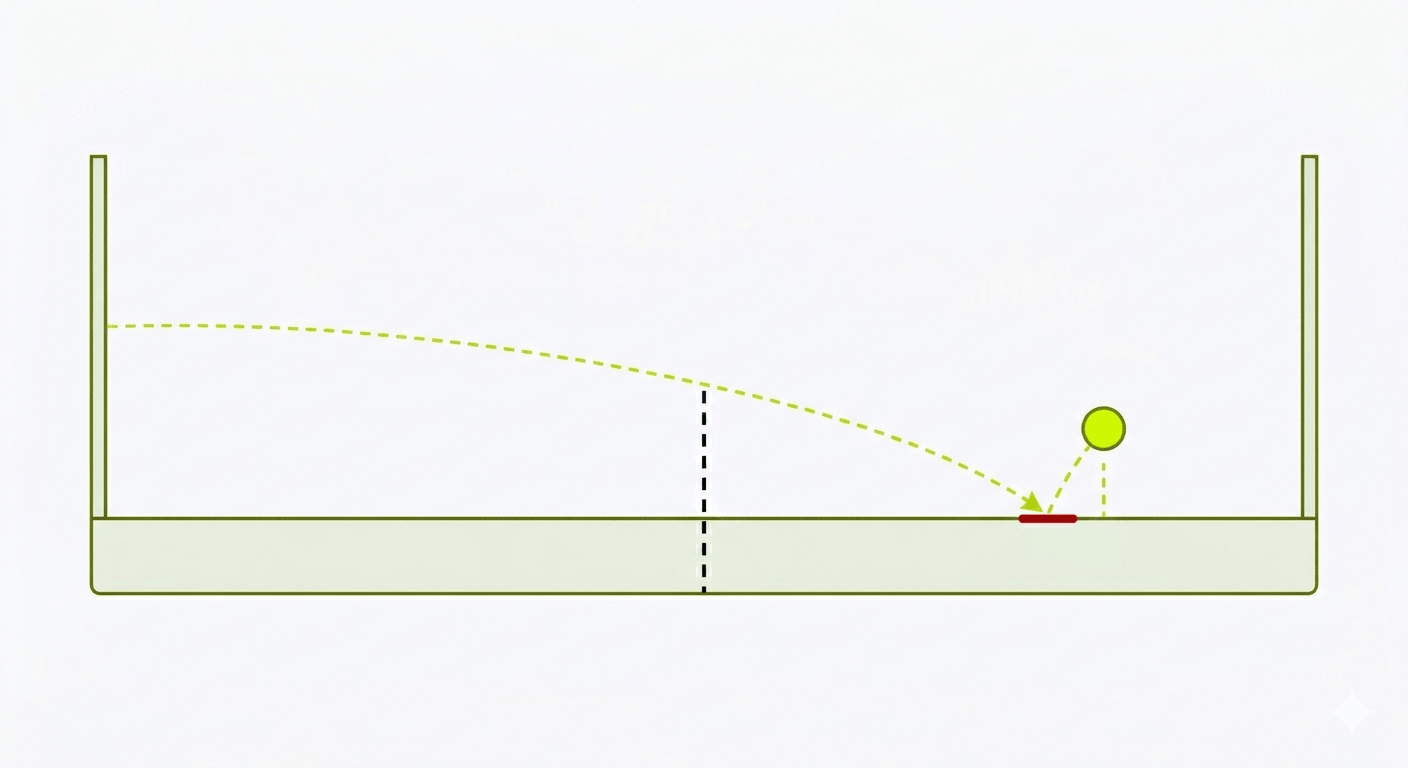 2
2It must bounce
Every ball has to bounce on the floor before it touches a wall. A shot that hits the glass on the full loses the point.
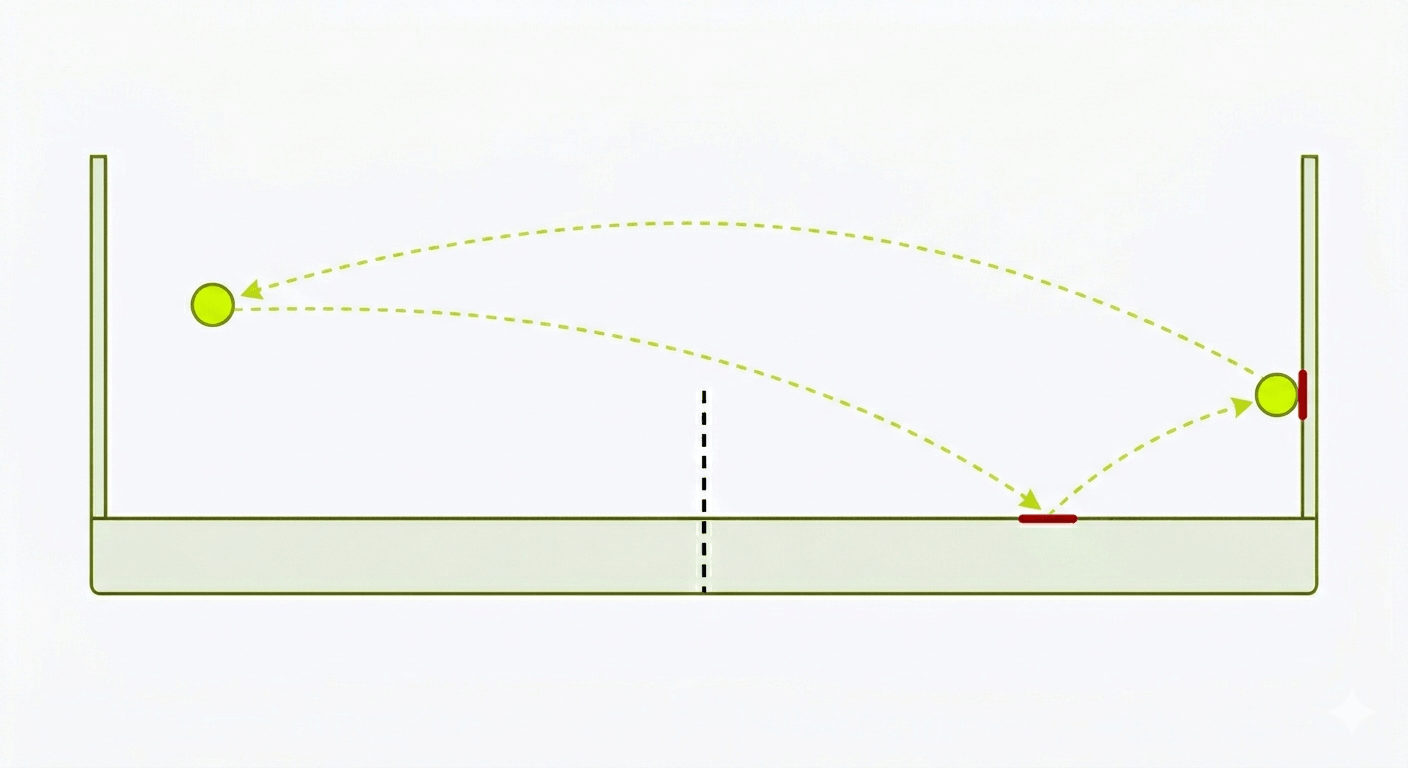 3
3Off the glass
After that floor bounce, the ball can rebound off your own glass — and you can still play it back over the net.
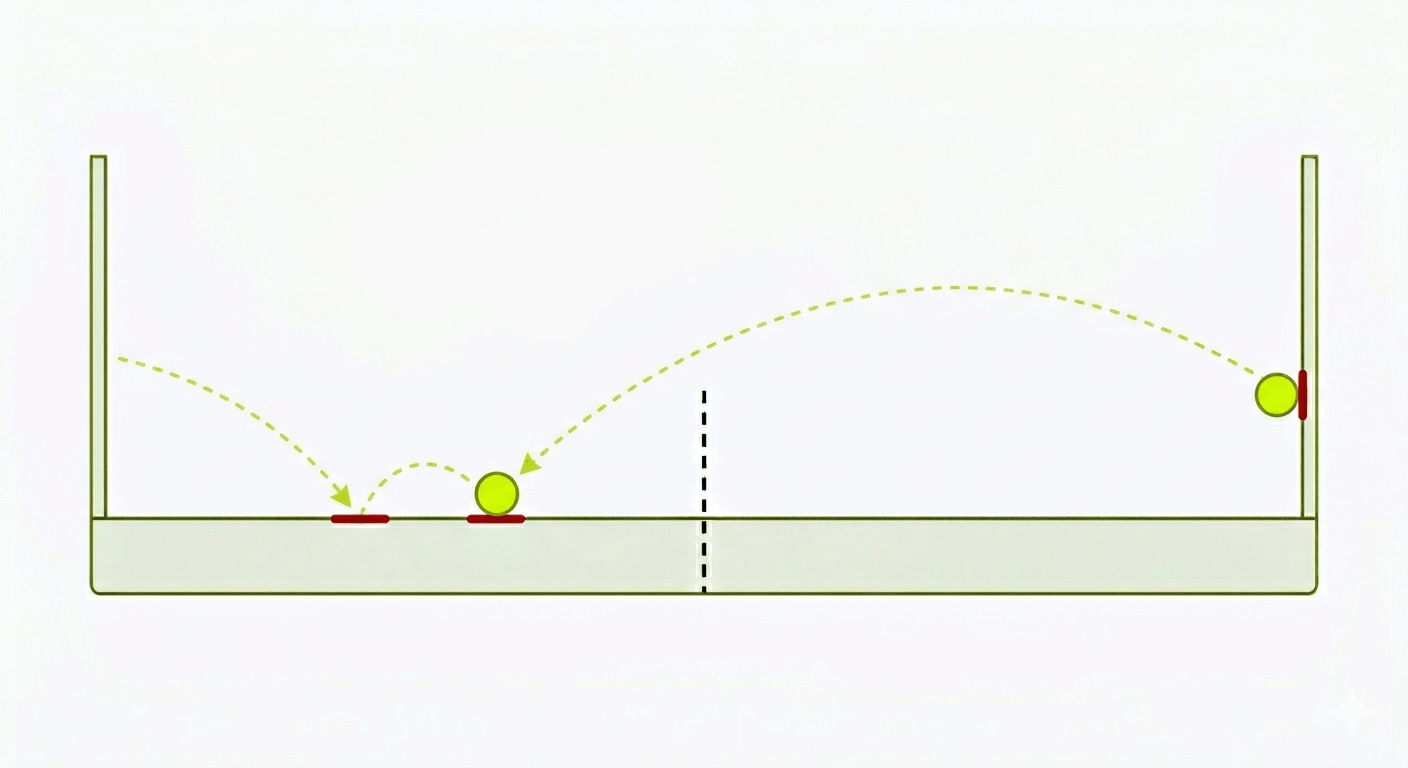 4
4The point ends
A rally ends when the ball bounces twice, hits the mesh fence on the full, or a team can't return it. Win the rally, win the point.
Playing the walls
This is what makes padel padel. The glass is live — learn one rule and the rest follows.
Floor first, always
A ball coming over the net must bounce on your floor before it touches your glass. If it hits the glass first, the point was already yours.
Then the glass is yours
Once it has bounced, the ball can fly into your back or side glass and rebound out. You play it before it bounces on the floor a second time.
Use your own walls
Deep in defence you can let the ball pass you, rebound off your glass, and flick it back over the net. It's the most satisfying shot in the game.
The opponent's walls are out
You can't hit the ball directly onto the opponent's wall on the full. It has to land on their floor first.
Scoring
Padel uses tennis scoring almost exactly. Tap through a game to see it.
- Point
- 15, 30, 40, game
- Game
- 4 points, 2 clear
- Set
- 6 games, tie-break at 6–6
- Match
- best of 3 sets
Most clubs play the golden point: at 40–40 (deuce) the very next point wins the game — sudden death — and the receiving team chooses which side it's served to.
Full scoring guide: points, deuce & the golden pointFaults & lets
You lose the point if…
- the ball bounces twice on your side of the floor;
- you hit the ball into the net, or out over the surrounding walls;
- your shot hits the opponent's wall or fence before it bounces on their floor;
- the ball touches you or your partner;
- you touch the net, or step onto the other side, while the ball is live;
- you hit the ball twice or carry it on the strings.
A serve that clips the net and still lands in the correct box is a let — replay it, no penalty.
Winning the match
Win four points (two clear) to take a game, six games (two clear) to take a set, and two sets to win the match. At 6–6 in a set you play a tie-break: first to seven points, win by two. That's the whole game — grab three friends and a court.
Padel rules FAQ
- What are the basic rules of padel?
- Padel is played 2 v 2 on an enclosed glass court. You serve underarm after one bounce, into the diagonal service box. The ball must bounce on the floor before it touches a wall, but after that bounce the glass is in play — you can let the ball rebound off your own walls and return it. Scoring is the same as tennis: 15, 30, 40, game; six games and two clear for a set; best of three sets.
- Can you serve overhand in padel?
- No. The padel serve must be hit underarm, below waist height, after letting the ball bounce once on the floor behind your service line. Overhead serves are not allowed — this is the biggest rule difference from tennis.
- Can the ball bounce off the glass walls in padel?
- Yes — that's the heart of the game. A ball coming over the net has to bounce on the floor first, but after that it can rebound off the back or side glass and stay in play. You can even let it pass you, come off your own glass, and flick it back over the net.
- How is padel scored?
- Exactly like tennis: points run 15, 30, 40, game, and you need a two-point margin. Most clubs use the golden point — at 40–40 the next point wins the game. Six games (two clear) wins a set, with a tie-break at 6–6, and the match is best of three sets.
- What's the difference between padel and tennis rules?
- The scoring is identical, but padel is played on a smaller enclosed court, the serve is underarm, and the glass walls are part of play. Those three differences make padel far quicker to pick up than tennis.
Now keep score automatically
You know the rules — let Padelyst handle the scoreboard. Score live on your iPhone and Apple Watch, or run a whole tournament in a tap.